
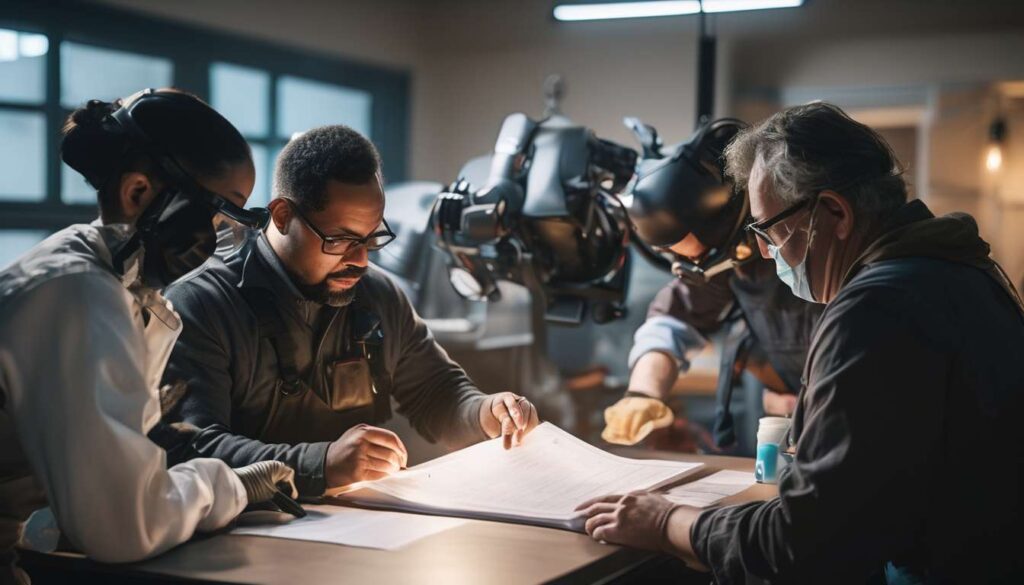
Of course many assume that adult media production is inherently exploitative and beyond reform, but we know a different truth: clear workplace standards can and do improve conditions for performers and crew.
We have seen how implementing comprehensive consent protocols, safety measures, and transparent contracts transforms sets from precarious environments into professional workplaces.
We have witnessed performers exercising greater agency, managers adopting best practices, and health outcomes measurably improving.
We have learned that standards do not sanitize creativity; they sustain it by reducing harm and building trust.
We have observed that when producers, performers, and regulators collaborate, industry norms shift toward accountability without sacrificing artistic freedom.
We have documented reductions in workplace disputes and increased retention when standards are enforced.
We now ask how these lessons can scale across the industry, and how stakeholders can commit to practices that respect dignity, safety, and professionalism.
This article outlines the evidence and pathways for that change.
Defining Clear Consent Protocols
We establish unambiguous, documented consent protocols that specify who, what, when, where, and how performers agree to activities and conditions on set.
We create simple, signed, and accessible forms and briefings so everyone knows expectations in advance and has a clear record of agreed terms.
We center performer safety by treating consent as an ongoing dialogue, not a one-time checkbox.
- Performers are empowered to pause or withdraw at any moment without penalty.
- Revisit consent whenever circumstances change.
We use transparent contracting to outline compensation, boundaries, and content use.
- Share contract copies promptly so performers feel included in decisions that affect them.
We train crew and appoint consent stewards.
- Train crew to respect limits and rehearse nonverbal stop signals.
- Appoint consent stewards who advocate for performers during shoots.
We foster a community culture that encourages questions and revisits agreements as needed.
By standardizing these practices, we build trust, reduce misunderstandings, and ensure participation is genuinely informed and voluntary for everyone on set.
Comprehensive Safety Measures
We implement layered safety measures—physical, medical, and psychological—and make sure everyone on set knows procedures, resources, and emergency contacts.
We maintain clear consent protocols as a baseline.
- Schedule check-ins.
- Brief exits.
- Confirm limits before each scene.
We train crews on de-escalation, boundary respect, and equipment safety so everyone feels competent and cared for.
We prioritize performer safety with on-site medical personnel, rapid access to testing, and private downtime areas where people can recover or consult support.
We create peer-support systems and offer confidential counseling to address stress, trauma, or burnout.
We document incidents and review them openly, learning together and updating practices.
We make information accessible and consistent, so newcomers and veterans alike know reporting routes and protections.
We coordinate with production, legal, and wellbeing staff to uphold standards while fostering belonging.
- Avoid silos.
- Share responsibility.
- Hold ourselves accountable.
Safety is real, practiced, and continuously improved.
Transparent Contracting Practices
We make contracts clear, specific, and accessible so everyone knows their rights, duties, payment terms, and dispute-resolution options before work begins.
We outline consent protocols in plain language, so performers can set boundaries and withdraw consent without ambiguity.
We use transparent contracting to list scope of work, duration, compensation schedule, and reuse or distribution rights, and we provide copies in advance and in formats people can keep.
We create a collaborative review process where people can ask questions, propose amendments, and bring advocates.
We document safety measures and reporting channels tied to performer safety, ensuring issues are addressed swiftly and fairly.
We commit to standard clauses that protect privacy, clarify health and testing expectations, and define harassment-free conduct.
We publish grievance procedures and timelines so community members feel supported and confident that concerns will be resolved.
By centering dignity and clarity in every agreement, we build trust, reduce misunderstandings, and strengthen a sense of belonging across the production team.
Health and Wellness Programs
We provide comprehensive health and wellness programs that include regular medical screenings, mental-health support, accessible fitness and nutrition resources, and confidential counseling so performers and crew can work safely and sustainably.
We build services around clear consent protocols and ongoing communication, so everyone feels respected and included.
We prioritize performer safety by offering on-set medical access, rapid-response plans, and routine check-ins that honor privacy and dignity.
We make mental-health resources easy to access, with counselors familiar with industry-specific pressures and peer-support groups that foster belonging.
We integrate wellness into transparent contracting, so expectations about breaks, limits, and healthcare coverage are spelled out before work begins.
We track program outcomes and invite feedback, adapting services to meet changing needs.
We collaborate with health professionals, advocates, and performers to create policies that reduce risk and promote thriving careers.
By centering consent protocols, performer safety, and transparent contracting in our health programs, we create a workplace where people feel seen, protected, and supported for the long term.
Training for Performers and Crew
We provide regular, skills-based training for performers and crew that covers safety procedures, communication techniques, boundaries, and emergency response so everyone can work confidently and competently.
We center practical exercises on de-escalation, recognizing consent cues, and applying consent protocols in real scenes, so each person knows how to pause, renegotiate, or stop when needed.
Training includes:
- Performer safety
- Physical ergonomics
- Safe positioning
- Use of protective gear
- Mental health supports
- Grounding techniques
- Peer check-ins
We teach crew clear communication rhythms, call-outs, and role responsibilities so collaboration feels reliable and inclusive.
We review transparent contracting practices during sessions so performers understand rights, rates, scope, and withdrawal options before work begins.
We run scenario-based drills and regular refreshers, invite feedback, and adapt curricula to emerging needs, because belonging grows when people feel skilled, respected, and heard.
We train together to build a consistent culture where safety, clarity, and mutual care guide every production choice.
Reporting and Accountability Systems
Clear, accessible reporting channels and accountability practices.
We establish multiple confidential avenues so people can choose what feels safest:
- Anonymous hotlines
- Designated advocates
- Digital forms
We ensure timely responses and visible corrective action by documenting reports, timelines, and outcomes to reinforce trust and demonstrate that performer safety is a priority.
Reporting aligned with consent protocols and transparent contracting.
Complaints about breached agreements or unsafe conditions are linked directly to corrective steps and contract remediation.
Impartial investigations and survivor-centered responses.
We commit to:
- Impartial investigations
- Survivor-centered support and remedies
- Proportionate sanctions when standards are violated
Transparency through aggregated reporting.
We provide regular summaries of aggregated, de-identified complaints and resolutions to the community to foster shared learning while protecting individuals.
Staff training and service-level timelines.
We train staff to receive reports with empathy and clarity and set service-level timelines for responses and follow-up.
Predictable, participatory accountability to build culture.
By making accountability predictable and participatory, we cultivate a culture where everyone feels seen, supported, and empowered to uphold safer, more respectful workplaces.
Collaborative Regulation Models
Partnership and shared standards
We’ll partner with performers, producers, advocacy groups, and regulators to design shared standards and oversight mechanisms that balance autonomy, safety, and practical compliance. We’ll build frameworks that center consent protocols and performer safety, ensuring everyone’s voice shapes rules. By co-creating clear processes, we make standards feel like ours rather than something imposed.
Community-based governance
We’ll create joint review boards with rotating membership from the community so decisions reflect lived experience and professional responsibilities.
These boards will:
- Define responsibilities and scope.
- Rotate members to avoid capture and encourage diverse perspectives.
- Include both lived-experience representatives and credentialed professionals.
Transparent tools and fair enforcement
We’ll publish transparent contracting templates and checklists that reduce ambiguity while preserving negotiation freedom. We’ll set measurable compliance steps and simple dispute-resolution pathways so members can trust enforcement is fair and accessible.
Key deliverables will include:
- Standardized contract templates.
- Clear compliance milestones and reporting timelines.
- Accessible dispute-resolution procedures with defined timelines.
Shared training, data, and accountability
We’ll train stakeholders together, share incident data in anonymized form, and iterate policies based on real outcomes. We’ll prioritize mutual accountability: producers commit to safe practices, performers retain agency, and advocates help monitor systemic issues.
Actions to enable this:
- Joint training programs and refreshers.
- Regular, anonymized data sharing and trend analysis.
- Policy updates tied to outcome reviews.
Outcomes
Through cooperative governance, we’ll strengthen belonging, raise industry norms, and make safer, more respectful production environments the standard we all uphold.
Scaling Best Practices
To scale best practices across the industry, we’ll codify proven processes, simplify implementation steps, and provide ready-to-use tools that teams can adopt quickly.
We’ll frame these resources so every person and crew feels included and empowered to participate.
By standardizing consent protocols into clear checklists and scripts, we create common expectations that respect boundaries and reduce ambiguity.
We’ll pair those with measurable performer safety routines — from on-set health checks to incident reporting workflows — that any sized production can follow without extra friction.
We’ll also offer templates for transparent contracting that spell out rights, payment terms, and dispute resolution in plain language, so performers and producers enter agreements with trust.
Training modules, mentorship networks, and shared audit tools will let smaller teams adopt what larger studios use, preserving creative diversity while lifting baseline conditions.
Together, we’ll iterate on these practices, collect feedback, and publish updates, so belonging, dignity, and professional standards spread across the industry.
How are background checks and criminal-history disclosures handled for performers and crew, and what limits are placed on using that information?
We handle background checks and criminal-history disclosures carefully to protect safety and privacy.
We require relevant disclosures and verify identities when lawful, limiting checks to role-essential information.
We won’t use unrelated records to exclude people or to stigmatize.
- We redact sensitive details.
- We share findings only with authorized personnel.
We retain records securely and follow consent and legal notice requirements.
We provide appeal and correction options so everyone feels respected and included.
What measures address mental health stigma and provide confidential counseling specifically for performers concerned about career stigma or public exposure?
Goal: Tackle mental health stigma among performers and provide truly confidential counseling options so performers do not fear career damage or exposure.
Key initiatives
-
Anonymous counseling lines
- Create 24/7 anonymous phone and chat hotlines specifically for performers.
- Staff lines with clinicians and trained crisis counselors experienced in performer-specific issues.
-
Encrypted teletherapy
- Offer teletherapy via end-to-end encrypted platforms that meet or exceed health-data security standards.
- Allow therapists to confirm encryption and security measures in writing.
-
Peer-support groups with trained facilitators
- Run moderated peer-support groups (virtual and in-person) facilitated by trained professionals.
- Train facilitators in confidentiality, boundary-setting, and handling disclosures that could affect safety or legal obligations.
Confidentiality and privacy protections
-
Clear confidentiality policies
- Publish plain-language confidentiality policies explaining limits (e.g., imminent harm, legal orders) and routine practices.
- Require explicit informed consent that performers sign before counseling begins.
-
Legal privacy protections
- Implement policies and agreements that align with applicable privacy laws (e.g., HIPAA-equivalent where relevant).
- Where possible, use contracts or legislation to prohibit disclosure of mental-health treatment to employers, casting directors, or agents without explicit client consent.
-
Option to use stage names in records
- Allow performers to record and access services using stage names or pseudonyms while maintaining secure linkage to verified identity where legally required.
- Keep any legal identity linkage strictly limited and access-controlled (only when legally required, with audit logs).
Workplace training and culture change
-
Train producers and managers
- Fund mandatory mental-health awareness and confidentiality training for producers, managers, casting directors, and HR.
- Train leaders to recognize signs of distress, respond supportively, and avoid discriminatory actions based on treatment.
-
Normalize help-seeking
- Run public campaigns and internal messaging that destigmatize mental-health care and spotlight confidentiality safeguards.
- Encourage leaders and high-profile performers to share (voluntarily and without revealing clinical details) that seeking help is a strength.
-
Protect careers
- Create anti-discrimination policies explicitly protecting employees and contractors from adverse actions related to mental-health treatment.
- Establish rapid remediation and appeal processes for performers who believe they faced retaliation or exposure.
Implementation safeguards
-
Access controls and audits
- Use strict role-based access to records, two-person review for disclosures, and regular privacy audits.
-
Data minimization and retention
- Collect only necessary data, retain it for minimal lawful periods, and delete or anonymize records when no longer needed.
-
Emergency and legal exceptions
- Clearly define and communicate procedures for when clinicians must disclose (e.g., imminent risk, court orders) and how performers will be notified when legally permitted.
Funding and governance
-
Secure funding
- Combine industry contributions, grants, and public-private partnerships to sustain services.
- Offer subsidized or free care for freelancers and early-career performers.
-
Independent oversight
- Establish an independent oversight body (including performer representatives) to review privacy practices, complaints, and service quality.
- Publish annual transparency reports summarizing use, safeguards, and improvements without revealing identities.
Next steps (recommended immediate actions)
- Convene a working group of clinicians, legal/privacy experts, performer representatives, and industry leaders.
- Pilot anonymous hotline and encrypted teletherapy with a small cohort, evaluate confidentiality effectiveness and user trust.
- Develop template confidentiality agreements, stage-name procedures, and manager training curricula for broader rollout.
If you’d like, I can draft:
- Sample plain-language confidentiality policy and informed-consent form.
- A checklist for encrypted teletherapy vendors and security requirements.
- A training outline for producers and managers. Which would you prefer first?
How are intellectual property rights for improvised or unscripted performances determined and protected, especially when multiple performers contribute spontaneously?
We recognize the question about ownership of improvised or unscripted performances and will explain clearly.
When creators intend collaboration, contributions are usually treated as joint works.
- This means rights are shared among contributors unless a contract specifies otherwise.
To protect rights, put clear agreements in place before recording.
- Use written agreements, releases, and assignment clauses that define ownership, contribution scope, and exploitation rights.
- Track contributions (who created what) using timestamps, version history, or witness statements to establish authorship and contribution order.
Register works with the relevant authorities where possible.
- Copyright registration provides stronger legal presumption of ownership and simplifies enforcement.
Resolve disputes through agreed procedures.
- Use mediation or negotiation first to avoid costly litigation.
- Include contractual dispute-resolution terms (e.g., arbitration, governing law, venue) to provide predictability if disputes escalate.
Conclusion
You’ve seen how clear consent protocols, safety measures, transparent contracts, and health programs make adult media production safer and more professional.
Training, reporting systems, and collaborative regulation hold everyone accountable while respecting performers’ rights.
By scaling these best practices, you’ll help create workplaces that prioritize dignity, safety, and sustainability—benefiting performers, crews, and the industry’s reputation.
Adopting these standards isn’t optional; it’s essential for ethical, resilient production.